A major winter storm is bearing down on a large portion of the United States, potentially impacting millions. This isn’t just about snow days; extreme cold combined with infrastructure failures can quickly turn into a life-threatening crisis. While many regions are accustomed to harsh winters, even areas with mild climates are vulnerable to power outages, frozen pipes, and impassable roads. The key to safety isn’t weathering the storm, but preparing for it.
This isn’t a drill. Recent disasters, like the 41 deaths during the 2022 blizzard in Buffalo, New York, demonstrate that underpreparedness can be fatal. Even seemingly minor storms can overwhelm unprepared communities, as seen in places like Portland, Oregon, where even an inch of snow can cause chaos. The reality is that power grids and emergency services can be stretched thin, leaving individuals responsible for their own survival for days at a time.
Essential Preparations: Power, Water, and Warmth
The first step is accepting the possibility of prolonged outages. National Weather Service (NWS) preparedness lead Charlie Woodrum emphasizes the need to plan for losing power and water, whether through frozen pipes or system failures. This means securing essential supplies before the storm hits.
Water Security: Potable water is the immediate priority. Keep at least one gallon per person per day for drinking and sanitation. Consider storing a week’s supply, and have purification methods available – household bleach (follow EPA guidelines) or a quality water filter (like the Clearly Filtered stainless steel bottle) are viable options. Filling bathtubs with water in advance is also a practical step. Never rely on melting snow for drinking water without purification, as it contains atmospheric pollutants.
Layer Up: The Power of Wool: Warm clothing is critical, and the best base layer is wool. It regulates temperature effectively and can be worn for days without becoming unsanitary, a major advantage during prolonged outages. Layering is key; trapped air provides additional insulation.
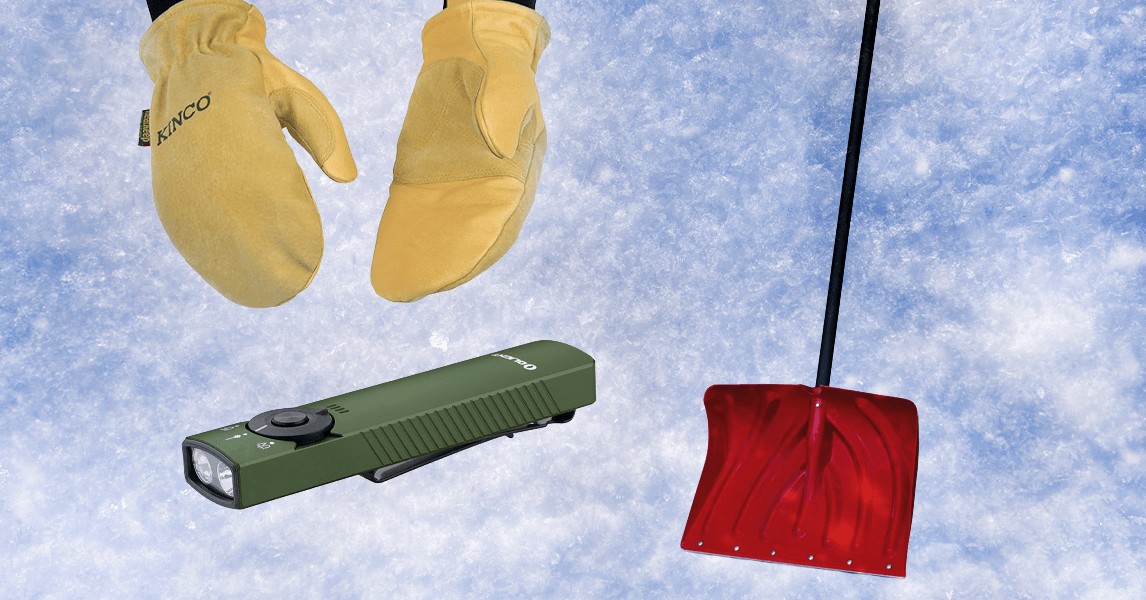
Work Mitts Over Gloves: When outdoor activity is unavoidable, mittens provide superior warmth to gloves. Kinco mitts offer a balance of functionality and protection, essential for tasks like shoveling or clearing a path.
Don’t Waste Money on Gimmicks: Heated clothing drains power you may not have. Emergency ice scrapers are unnecessary if you don’t live in a snow zone. The priority is core survival, not convenience.
Power Solutions: From Banks to Generators (and What to Avoid)
When the grid fails, reliable power sources are essential.
- Power Banks: Lithium-ion power banks (Jackery is a recommended brand) can keep essential devices running. Opt for quality over cheap options.
- Generators (With Extreme Caution): Gas-powered generators (Westinghouse 4,000-watt) can power space heaters, but never operate them indoors or in enclosed spaces due to the risk of carbon monoxide poisoning. Operate outdoors at least 20 feet from the house.
- Skip the Kerosene Heaters: While they don’t require electricity, they consume oxygen and release carbon monoxide, making them a last-resort option only if properly ventilated.
Other Essentials: Tools and Safety
- Flashlights: Waterproof models like the Arkfeld Pro are reliable. Candles are a backup but require caution.
- Jump Starter: A portable jump starter (Noco or Gooloo) can revive a weak car battery, providing heat if stranded. Never run a car in an enclosed space due to carbon monoxide risk.
- Shovels: A basic shovel is essential for clearing paths, but avoid overexertion. Shoveling-related heart attacks are a real risk.
- Coolers: Counterintuitively, coolers can keep perishables cold outdoors if power is out.
The Bottom Line: Planning Prevents Panic
Extreme winter storms aren’t just weather events; they’re survival scenarios. The best preparation isn’t about luxury, but about covering essential needs: water, warmth, and power. Overconfidence is as dangerous as ignorance. Taking proactive steps now can mean the difference between a manageable inconvenience and a life-threatening crisis.