The evacuation of over 100 passengers from the luxury cruise ship MV Hondius has placed global health officials on high alert. With 18 Americans currently isolated in biocontainment units in Nebraska and Georgia, authorities are tracking more than two dozen individuals who disembarked and their potential contacts.
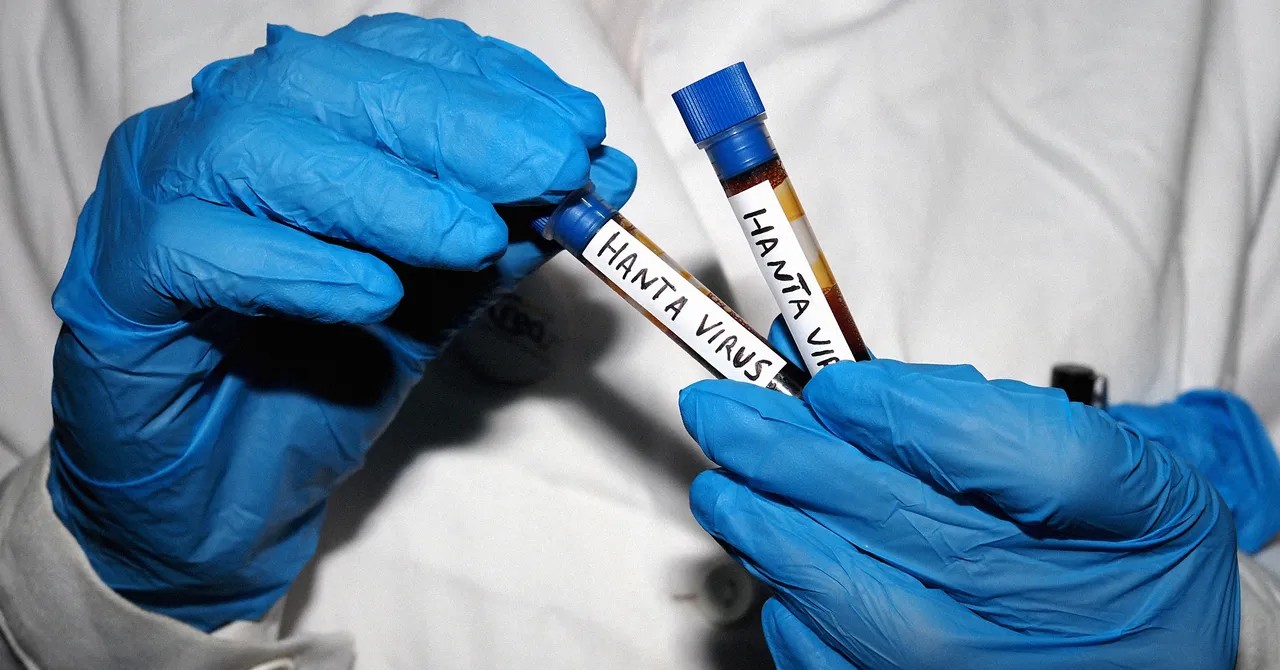
To date, the World Health Organization (WHO) has confirmed 11 cases of hantavirus among passengers and crew, resulting in three deaths. While the situation is severe, experts emphasize that this outbreak is unlikely to escalate into a global pandemic comparable to COVID-19.
Understanding the Threat: The Andes Virus
The strain identified on the ship is known as the Andes virus. This specific type of hantavirus is notable for one critical characteristic: it is the only known hantavirus capable of transmitting from person to person.
Typically, hantaviruses are not spread between humans. Instead, they infect people when contaminated rodent droppings or urine are stirred into the air and inhaled—a common risk during activities like cleaning attics or basements. However, the Andes virus breaks this pattern, allowing for human-to-human transmission under specific conditions.
Despite its ability to spread between people, the virus presents significant barriers to becoming a worldwide crisis. As WHO Director-General Tedros Adhanom Ghebreyesus noted, there are currently no signs of a larger outbreak, though the long incubation period means new cases could emerge in the coming weeks.
Why It Won’t Spark a Pandemic
Nicole Iovine, an infectious disease expert and hospital epidemiologist at the University of Florida Health, explains that the Andes virus differs fundamentally from SARS-CoV-2 in how it infects the body and spreads.
1. Depth of Infection
SARS-CoV-2 infected both the upper airways and deep lungs. Because it was present in the upper respiratory tract, it was easily expelled into the air through talking, sneezing, or coughing. In contrast, the Andes virus infects very deep in the lungs and rarely affects the upper airways. This makes it significantly harder for the virus to be aerosolized and transmitted to others.
2. Transmission Requires Close, Prolonged Contact
The Andes virus is not airborne in the same way measles or chickenpox are. You cannot catch it by entering a room hours after an infected person has left. Transmission generally requires:
* Close proximity: Being directly next to an infected person for an extended period.
* Specific interactions: Healthcare workers, such as the ship’s doctor who tested positive, are at higher risk due to intimate contact with patients (e.g., listening to breathing or examining throats).
3. The Role of Environment
The confined space of a cruise ship played a crucial role in this outbreak. Poor ventilation allows viral particles to linger, increasing the risk of transmission compared to well-ventilated spaces or outdoors. Iovine notes that a standard hospital room, with frequent air exchanges, offers much lower risk than a sealed cabin with poor airflow.
Symptoms and Incubation
Identifying an Andes virus infection early can be challenging because initial symptoms are nonspecific and resemble common illnesses like the flu.
- Incubation Period: Symptoms can appear anywhere from 5 days to 6 weeks after exposure. This long window complicates tracking and containment but also means the virus does not spread as rapidly as pathogens with shorter incubation periods.
- Early Signs: Fever, headache, fatigue, and muscle aches.
- Progression: The disease can progress quickly to serious conditions, which is why immediate isolation and medical monitoring are critical.
Containment and Risk to the Public
For the average person, the risk of contracting the Andes virus outside of this specific outbreak context remains extremely low. Historical data supports this caution. A 2020 study in the New England Journal of Medicine detailed a previous Andes virus outbreak in Chile (2018–2019). Once strict containment measures were implemented, the chain of transmission was broken, and the outbreak subsided.
Currently, similar containment protocols are in place globally. Iovine emphasizes that while the virus is dangerous, it lacks the “pandemic potential” seen in other respiratory viruses.
“I worry about a lot of things, but I’m not worried about this,” Iovine stated. “I’m worried about measles outbreaks.”
Conclusion
While the hantavirus outbreak on the MV Hondius is a serious medical event with tragic fatalities, its biological limitations and the effectiveness of current containment measures prevent it from becoming a global threat. The virus requires close, prolonged contact to spread and does not linger in the air, distinguishing it sharply from pandemic-causing pathogens.