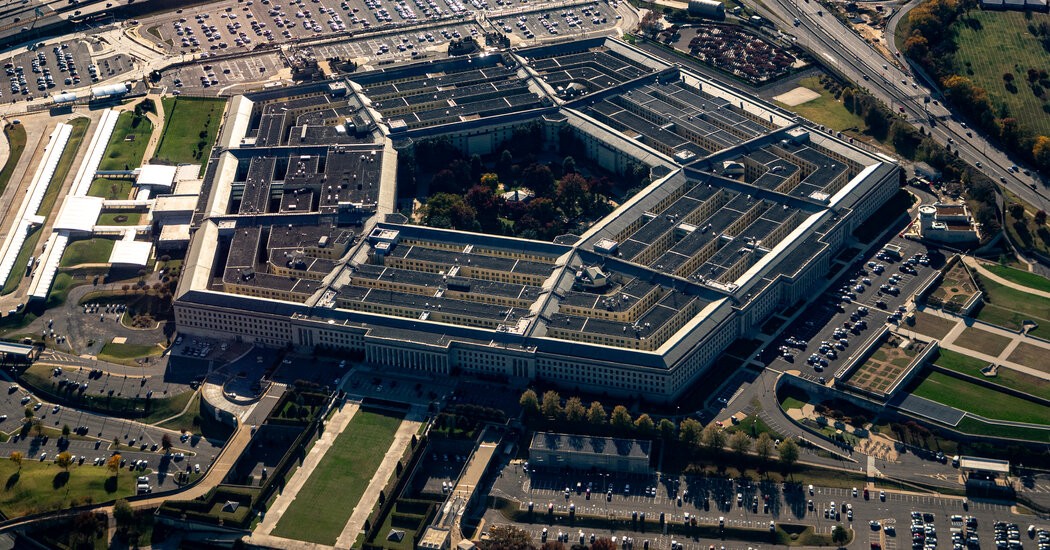
The U.S. Department of Defense (DoD) has formally notified Anthropic, a leading artificial intelligence company, that it is considered a “supply chain risk.” This designation threatens to bar Anthropic from future contracts with the federal government, escalating tensions over how advanced AI technologies are integrated into military operations.
Escalating Dispute Over Military Use
Anthropic CEO Dario Amodei confirmed receiving the official notice from the Pentagon on Thursday. The company intends to contest the designation legally, asserting its belief that the move lacks legal justification. The dispute centers on Anthropic’s reluctance to grant the DoD unrestricted access to its AI systems.
AI in Active Military Operations
According to sources familiar with the technology, U.S. military forces are actively utilizing Anthropic’s AI for analyzing data and imagery, aiding in deployment decisions and potential strikes – including in the context of widening conflicts with Iran. This makes Anthropic’s technology a critical component in real-time military strategy.
The Core of the Conflict
The DoD demanded unconditional access to Anthropic’s AI for all “lawful purposes,” effectively rejecting the company’s attempts to set ethical boundaries. Anthropic sought assurances that its technology would not be deployed for domestic surveillance or in the development of autonomous lethal weapons. The Pentagon countered that national security interests supersede a private company’s restrictions.
“A private company cannot dictate how its tools will be used in national security work,” a Pentagon official reportedly stated.
Implications and Wider Trends
This case highlights the growing friction between the U.S. government and private AI developers over control of powerful technologies. The DoD’s aggressive stance reflects a broader trend: the imperative to dominate in AI-driven warfare. This raises critical questions about accountability, ethical oversight, and the future of AI regulation.
The standoff could set a precedent for how the U.S. treats other AI firms, signaling that national security concerns will likely outweigh corporate ethics in military applications. This is not just a dispute between Anthropic and the Pentagon; it is a defining moment in the weaponization of artificial intelligence.