What began as a niche military solution has become a global phenomenon: MultiCam, the camouflage pattern created by Crye Precision, now adorns everything from high-end fashion to police uniforms and even riot gear. The story of its dominance isn’t just about technical superiority; it’s a case study in branding, military influence, and the strange ways culture adopts tools of war.
From Brooklyn Navy Yard to Global Dominance
Crye Precision, operating out of a 100,000-square-foot warehouse in the Brooklyn Navy Yard, is the unlikely epicenter of this story. The company’s signature product, MultiCam, is now so widespread it appears on camping chairs, baby carriers, and outdoor apparel. However, its most prominent wearers remain law enforcement, special operations forces, and even participants in events like the January 6th riot. This ubiquity earned it a place in MoMA’s permanent collection—a testament to its cultural impact.
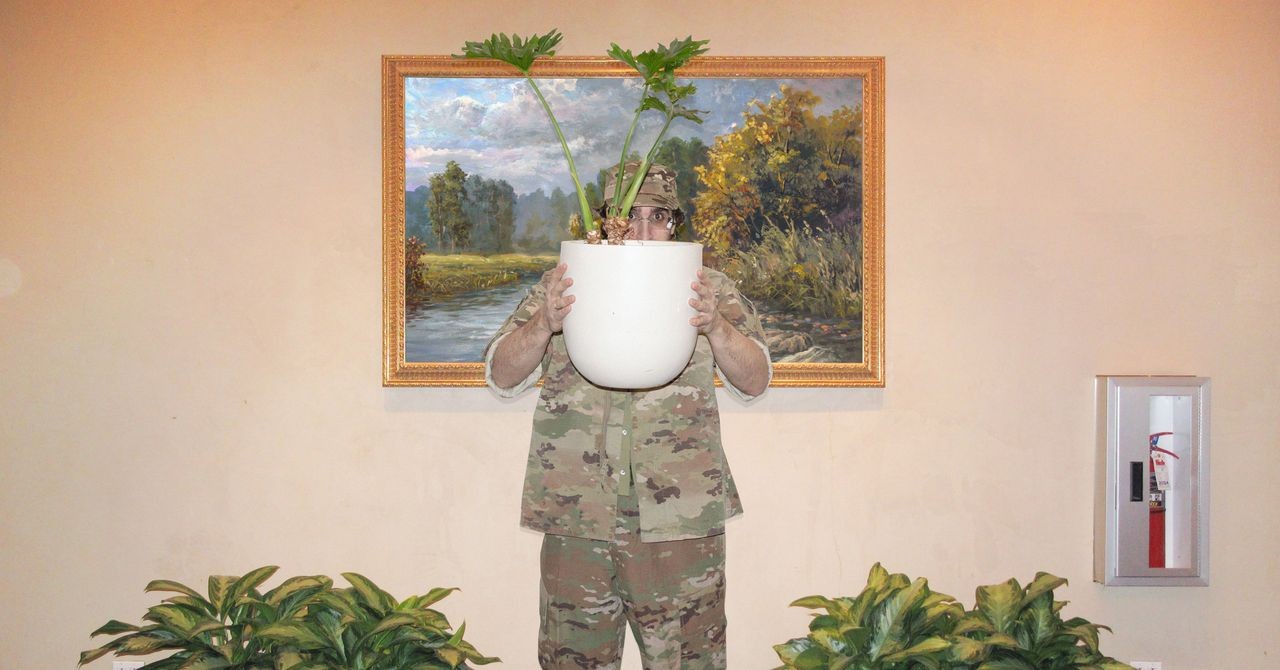
The pattern was born from a simple frustration: soldiers were deploying with mismatched camouflage, undermining their ability to blend in. In the early 2000s, Crye Precision, then known as Crye Associates, set out to create a single pattern that could function effectively in almost any environment. Their solution: a seven-color blend of greens, browns, and beiges with warm undertones—designed to mimic the natural warmth present in most landscapes. The key was consistency; no two uniforms should be identical to prevent easy identification.
The US Military’s Rejection and Special Forces Adoption
Despite its potential, the US Army initially rejected MultiCam in favor of its own digital pixelated pattern, the Universal Camouflage Pattern (UCP). UCP quickly became infamous for its ineffectiveness, with soldiers reporting it made them more visible on the battlefield. One Army reservist described wearing UCP in Afghanistan as akin to “having a road flare duct-taped to my forehead.”
Meanwhile, Special Operations Forces had the freedom to choose their own gear. Elite teams like Delta Force and SEAL Team Six adopted MultiCam, recognizing its superior performance. As these units gained prominence in the War on Terror, their image—and their camo—began to permeate the military culture. Regular soldiers started emulating them, purchasing MultiCam gear to distance themselves from the widely disliked UCP.
From Tactical Gear to Fashion Statement
The Army eventually capitulated. In 2010, under the Obama administration, UCP was phased out, and MultiCam was adopted as the new standard. The Army even rebranded it as OEFCP (Operation Enduring Freedom Camouflage Pattern), before finally settling on Operational Camouflage Pattern (OCP)—a near-identical variant that Crye Precision originally patented as Scorpion.
MultiCam’s influence extended far beyond the military. Law enforcement agencies across the United States, from SWAT teams to ICE, began adopting the pattern. Celebrities like Drake and Virgil Abloh were seen wearing exclusive Arc’teryx LEAF MultiCam rain shells, further solidifying its status as a desirable fashion item. The trend, dubbed “gorpcore,” saw hiking and tactical gear repurposed as streetwear, blurring the lines between functionality and style.
A Pattern of Influence
MultiCam’s success isn’t just about its technical advantages; it’s about the power of association. It represents elite military units, tactical superiority, and a certain rugged aesthetic. The pattern has transcended its original purpose, becoming a symbol of modern warfare and a surprising fixture in contemporary culture. The next time you spot MultiCam on a hiking trail, in a fashion magazine, or on a law enforcement officer, remember the complex story behind this ubiquitous pattern.