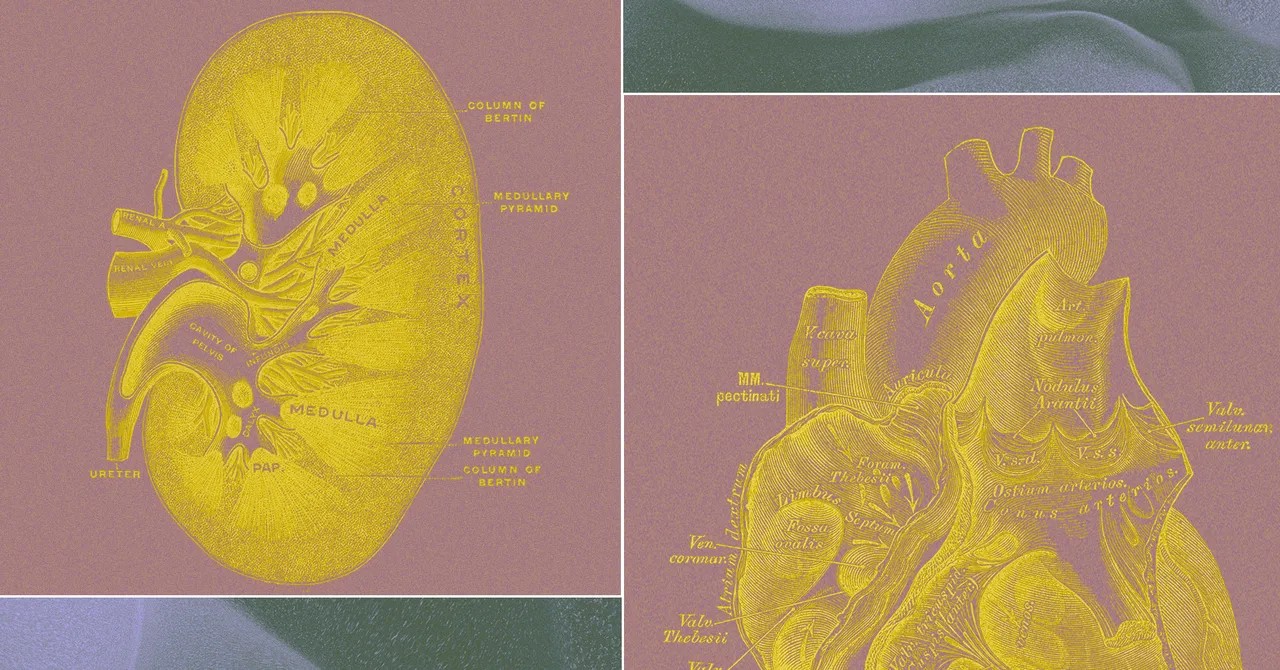
A Bay Area biotech company, R3 Bio, is developing artificial organ systems – dubbed “organ sacks” – designed to replace animal testing. The structures would contain functional organs but lack a brain, eliminating any capacity for sentience or pain. This approach is gaining traction as governments reduce reliance on animal experimentation and the supply of research primates dwindles.
The Rising Demand for Alternatives
The decline in animal availability and growing ethical concerns have pushed researchers toward alternatives. The U.S. government is phasing out animal testing, and China’s ban on primate exports has exacerbated shortages. Over 60,000 nonhuman primates were used in U.S. research facilities in 2024, with thousands experiencing pain during experiments. R3 Bio’s organ sacks offer a potential solution by providing a scalable, ethical replacement for live animals.
How Organ Sacks Would Work
The startup aims to create organ sacks using stem-cell technology and gene editing. The goal is to grow fully functional organs without the neural structures necessary for consciousness. While the idea sounds futuristic, scientists believe it’s plausible: induced pluripotent stem cells can be reprogrammed into embryonic-like states and modified to prevent brain development. The resulting structures could then be incubated until they grow into organized organ systems.
Beyond Testing: Human Organ Replacement
R3 Bio’s long-term vision extends beyond drug testing. The company plans to develop human organ sacks as a source of tissues and organs for transplants, addressing the critical shortage of donor organs worldwide. Over 100,000 people in the U.S. are currently on transplant waiting lists, and 13 die daily due to organ failure.
Ethical Considerations
The prospect of growing brainless human bodies raises ethical questions. Bioethicists acknowledge the “yuck factor” but suggest that if these entities are demonstrably incapable of feeling pain, public acceptance may be possible. The concept also highlights the illegal organ harvesting trade in some regions, reinforcing the need for ethically sourced alternatives.
The development of organ sacks could be a groundbreaking step toward more humane and efficient research methods. While challenges remain in creating viable systems, the potential benefits – reducing animal suffering and increasing organ availability – are significant.