The automotive and tech industries continue to shift rapidly, with electric vehicle (EV) adoption, manufacturing strategies, and consumer preferences all in flux. Alongside this, consumer goods markets are adapting to both technological advancements and changing political landscapes. This week’s key developments include Porsche’s EV reveal, Jaguar’s unique design approach, Ford’s EV strategy pivot, and the surprising resilience of Tesla in Norway.
Electric Vehicle Market Dynamics
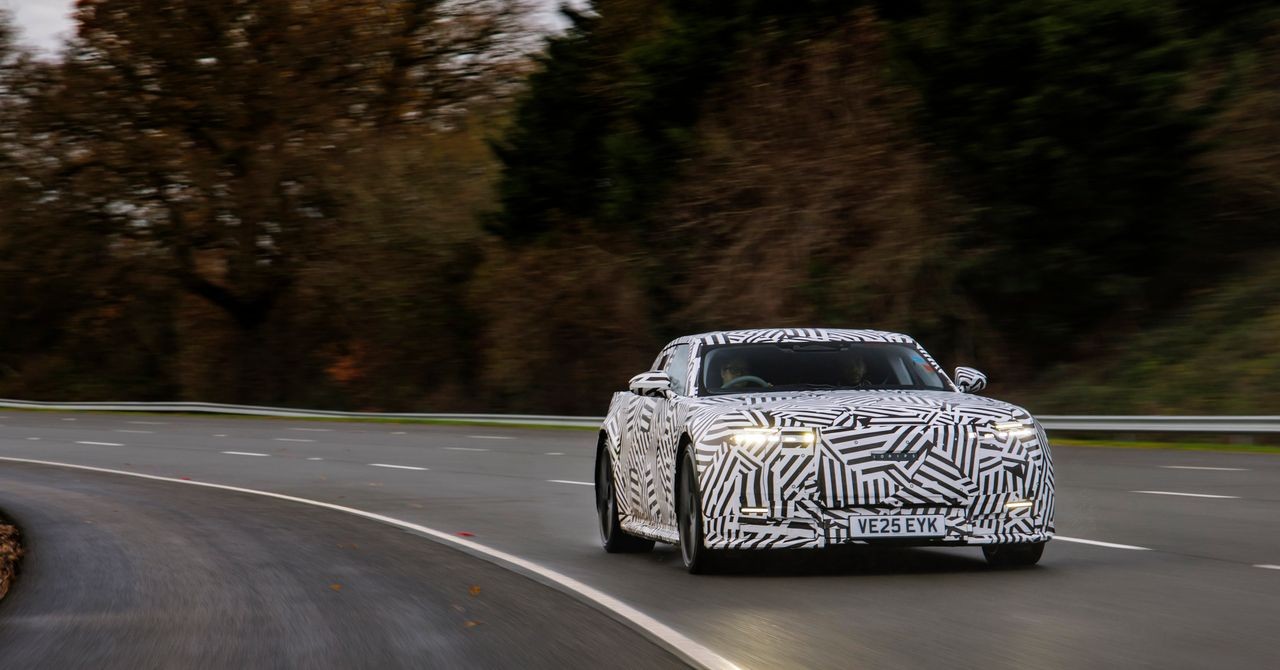
Porsche has fully unveiled its Cayenne Electric and Cayenne Turbo Electric models, boasting record-breaking power for production vehicles. However, the company remains tight-lipped about key AI features integrated into the new SUV. This omission raises questions about Porsche’s strategic disclosure of next-generation tech. Meanwhile, Jaguar is pushing forward with its Type 00 EV, which is notable for its unconventional design but impressive performance.
Ford has abruptly canceled production of the all-electric F-150, citing shifting market conditions and the waning support for electrification under the Trump administration. This decision underscores the volatility of EV investments amid political uncertainty.
In contrast, Norway stands out as an exception to the broader European decline in Tesla registrations. A tax incentive system has kept Tesla demand strong, though this advantage will soon expire. This highlights the critical role of government policy in EV adoption.
Manufacturing and Imitation Trends
A growing trend in automotive manufacturing involves the mass production of classic car body shells, particularly in Asia. Instagram is flooded with images of firms remaking vintage Broncos, Defenders, and other classic models at lower costs than US-based restoration shops. This trend speaks to both the demand for nostalgia and the economic realities of global manufacturing.
Consumer Tech and Novelty
Apple appears to be holding back software features already present in its devices. Exploits have shown iPadOS windowing systems running on iPhones, suggesting that foldable phone software is ready but not yet released. This points to Apple’s controlled rollout of new technologies.
Swatch is leveraging exclusivity with its new Snoopy MoonSwatch line. Each model will feature laser-etched snowflakes, but availability is tied to actual snowfall in Switzerland, creating a scarcity-driven marketing strategy.
Miscellaneous Updates
The Matter 1.5 update has added smart home camera support, and Google’s Gemini AI is now integrated into Android Auto. Omega has unveiled a new Seamaster Planet Ocean watch, and DJI released an updated action camera.
Finally, debates continue regarding the coexistence of cyclists and self-driving cars, with some advocates welcoming robotaxis while others fear increased auto dependency. Additionally, Trump’s rollback of auto industry fuel efficiency standards may not translate into lower prices for consumers, who will likely pay more for gas in the long run.
Budget-Friendly Tech
For consumers seeking value, a range of affordable smartphones from brands like Motorola and Apple’s own lower-tier devices offer competitive performance without the premium price tags. Motorola, in particular, provides reliable Android phones with simple software and attractive designs.
Conclusion: The past week’s developments show that the automotive and tech industries are adapting to economic, political, and consumer pressures. While EVs are still uncertain, manufacturing innovation and strategic product releases continue to drive market trends.